







Search Results for: Hundred Stores Plan
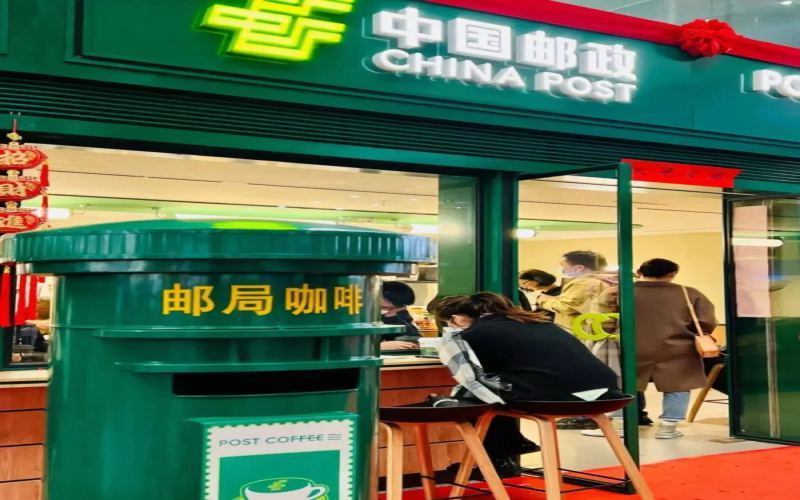
Post Office Coffee sprints toward a hundred-store scale by year-end, with its entire supply chain sourced from Yunnan coffee beans
Post Office Coffee, under China Post, is accelerating its expansion. Co-founder and CMO Dong Kexin revealed in a recent interview that the pace of store openings will speed up in the second half of this year, striving to reach the goal of 100 stores. Notably, Post Office Coffee's supply chain uses 100% Yunnan coffee beans. Leveraging the advantages of postal outlets, it is densifying its layout in key cities while also penetrating deeper into lower-tier markets. Since the opening of its first store in Xiamen in February 2022, Post Office Coffee has quickly become a trendy spot with its innovative "coffee + post office" model, boasting six stores in four cities within just half a year. In the fiercely competitive coffee market, can Post Office Coffee stand out with its site selection resources and product operation capabilities? [more…]
Cotti plans to open 50,000 convenience stores in three years, escalating the outlet battle with Luckin
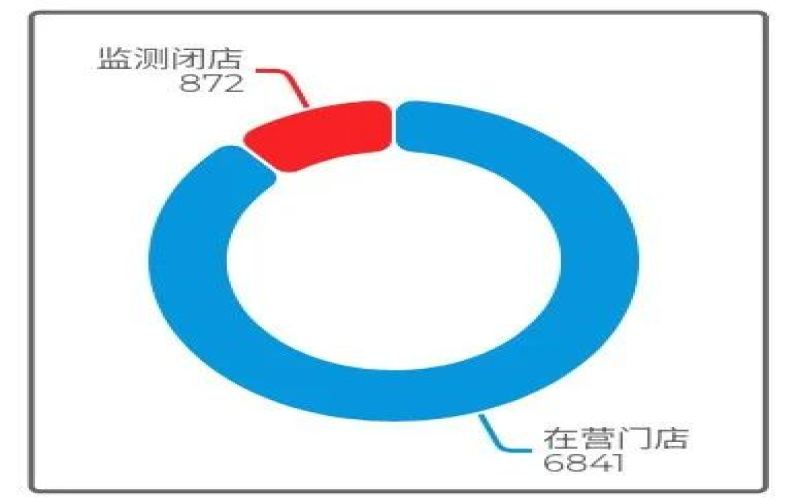
Cotti Coffee recently announced an ambitious expansion plan: adding 8,000 convenience stores in the second half of the year, reaching a scale of 50,000 stores within three years, and striving to achieve a layout where "Cotti is within a hundred meters." However, as of the end of July, its actual operating stores were fewer than 7,000, still some distance from the goal. Meanwhile, Luckin has launched a counterattack with a scale of over 20,000 stores, curbing Cotti's growth through dense store placements. The two sides have shifted from a 9.9 yuan price war to a battle for locations. How will this competition between two brands from the same roots evolve? This article sorts out the store rivalry, strategic adjustments, and industry impact of the two major brands. [more…]
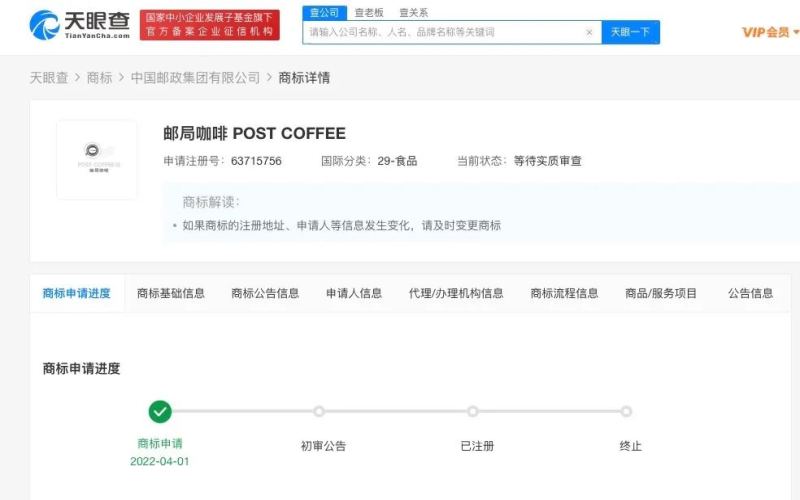
China Post's Coffee Trademark Application Rejected: An Analysis of China Post's Cross-Industry Layout and the Industry Boom
China Post's application for the "邮局咖啡 POST COFFEE" trademark was recently rejected, sparking widespread attention. Since the first store opened in Xiamen in February 2022, Post Coffee has expanded to four cities—Xiamen, Nanjing, Quanzhou, and Beijing—with six stores, focusing on a blend of postal nostalgia and cultural creativity. The co-founder had planned to open a hundred stores by the end of the year, but the trademark registration setback has led to widespread discussion online. Meanwhile, giants from various industries such as Li-Ning, Xtep, Tongrentang, and East Buy have entered the coffee sector. What are the prospects for cross-industry coffee ventures? This article reviews Post Coffee's expansion journey, product features, and trademark controversy, and takes stock of cross-industry dynamics in the industry. [more…]
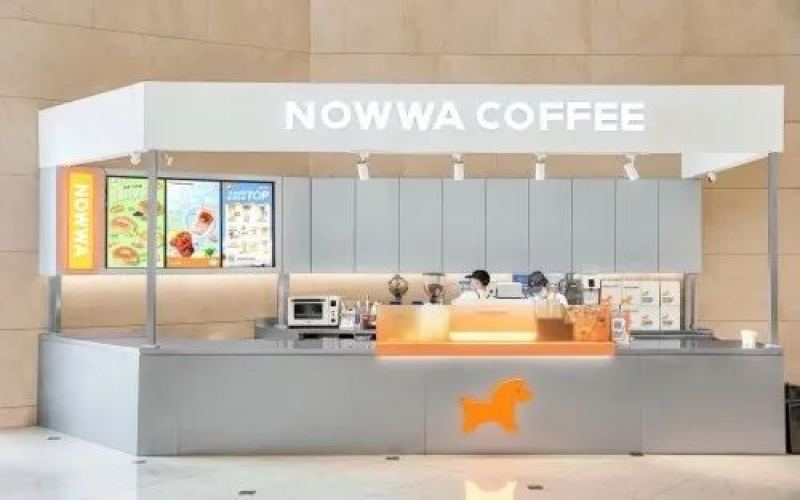
NOWWA Coffee opens 120 new stores simultaneously, total store count surpasses 1,700, covering over 100 cities
Nowadays Coffee recently announced the simultaneous opening of 120 stores. In addition to strengthening its presence in Guangzhou, the new stores also expanded into lower-tier markets in 10 cities including Nanchang, Jinhua, Huangshan, and Zhanjiang. This budget coffee brand, founded in Shanghai in 2019, is accelerating its penetration into the national market by relying on an asset-light model in which online delivery accounts for more than 75% of sales, as well as approachable pricing of around 15 yuan. As of July this year, its total number of stores ranked third among domestic coffee chains, with more than 1,700 stores nationwide covering over 100 cities. Against the backdrop of a coffee consumption market expected to reach a trillion-yuan scale by 2025, Nowadays Coffee's pace of expansion has drawn industry attention. [more…]
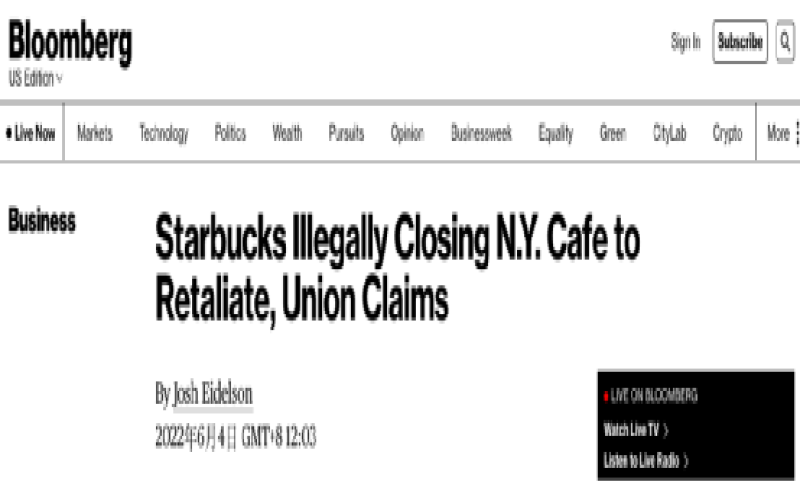
Starbucks store in Ithaca, New York, shut down, union alleges retaliation against unionization movement
As coffee consumption demand continues to climb after the easing of the COVID-19 pandemic, Starbucks employees in the United States are facing multiple pressures, including a surge in workload, understaffing, and aging equipment. Against the backdrop of a unionization wave sweeping across more than a hundred stores nationwide, Starbucks announced that it will close a unionized store in Ithaca, New York, on June 10. The union immediately filed a lawsuit, accusing the decision of violating federal labor law and constituting retaliation against union activity. Starbucks denies any connection, attributing the closure to facilities, staffing, and attendance issues. Both sides hold firmly to their own accounts, and the conflict continues to escalate. [more…]
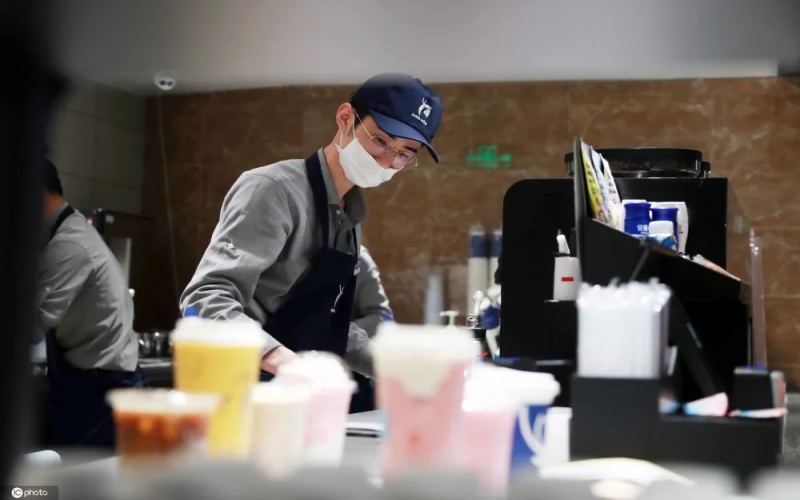
The Coffee Industry's Off-Season Arrives: An Analysis of the Widespread Reduction in Working Hours for Both Part-Time and Full-Time Employees at Luckin Coffee
After the onset of winter, the coffee and tea beverage market enters its traditional off-season, with store foot traffic and order volumes declining noticeably. Recently, many part-time employees at Luckin Coffee have reported that their scheduled working hours have been significantly reduced, with some being assigned only one shift a week, or even working just over thirty hours in an entire month. Full-time employees have not been spared either, with working hours dropping from over 180 to between 110 and 170, which has also affected their base pay. To make up the target hours, some employees have had to voluntarily support other busier stores. What exactly is causing this widespread reduction in working hours? How do the situations of part-time and full-time employees differ? This article, based on accounts from multiple employees, sorts out the logic behind the current scheduling adjustments at Luckin Coffee stores and reminds practitioners to plan ahead and prepare countermeasures. [more…]

Starbucks Coffee's new releases lag behind, yet its cups become a blockbuster-making machine.
Starbucks has always presented itself as a coffee shop, but an interesting phenomenon is this: the pace at which it launches new coffee drinks is far slower than the pace at which it launches new cups. A cup of coffee costing thirty or forty yuan gives some consumers pause, yet people snap up Starbucks cups priced at one or two hundred, or even four or five hundred yuan, without hesitation. Every year, dozens of themed limited-edition cups and collaborative designs take the stage in turn, and the revenue from selling cups may already surpass that from coffee itself. From the 2019 cat-paw cup that sparked overnight queues and sold out in 0.07 seconds, to young people relying on swapping cups to stay motivated to drink water, Starbucks' performance in the drinkware arena is nothing short of phenomenal. At the same time, Starbucks China launches only about 30 new coffee drinks a year, while Luckin rolled out 113 beverages in 2021 alone. This article shows you the true nature of Starbucks as a "cup factory," and also touches on Front Street Coffee's commitment to beans and products. [more…]

Low-price traffic drivers coexist with higher prices for regulars: Luckin Coffee's pricing strategy sparks heated discussion
In recent years, the price war in the coffee market has intensified. While brands use prices as low as 9.9 yuan or even lower to attract new customers, they also allow various money-saving guides to circulate freely on social platforms. However, a media investigation found that Luckin Coffee offers vastly different prices to users based on their consumption frequency—high-frequency consumers actually end up paying more. This article sorts out the common channels for money-saving guides, the phenomenon of Luckin's low-price coupons on platforms like Douyin, and a detailed month-long process in which reporters used multiple phones to test pricing differences in the Luckin mini-program, revealing the opacity of the system's recommended discount plans. For coffee lovers, understanding these pricing tricks may help you save a considerable amount of money. [more…]

Luckin's New Staffing Reduction Rules Spark Heated Debate: Shift Limits, Solo Store Openings and Closings Leave Employees Saying They Can't Keep Up
The February that just passed put many office workers through a chaotic whirlwind—rushing to finish work before the Spring Festival, relaxing fully during the holiday, and then facing the return-to-work wave, pulled back and forth by piled-up tasks and post-holiday burnout. However, for frontline employees at Luckin Coffee stores, March brings not a breather but an even harsher round of adjustments. Controlling effective working hours, implementing a single person to open early and close the store, freezing full-time hiring and restricting promotion channels—a series of measures to cut labor costs have led employees to mock themselves as not even "Luckin slaves," but more like tireless "Luckin robots." At the same time, after the 9.9 promotion shrank, store sales clearly declined, and March happens to be the off-season, putting both sales and profits under pressure. With revenue growth blocked, the company can only push on the cost-cutting side. Employees are full of complaints, the user experience is being tested, and whether brand influence will be weakened as a result has become a focus of outside attention. [more…]

Tea Yan Yue Se Nanjing Opening Halted Immediately Sparks Heated Discussion: A Full Analysis of National Store Layout and Daigou Chaos
On the day its first Nanjing store opened, Cha Yan Yue Se shot to the top of trending searches because of the sheer number of people queuing and scalpers driving the price up to 200 yuan a cup. The Xinjiekou store was forced to close, while the Jiangning Jingfeng store remained open. The brand revealed that it plans to open five stores in Nanjing in the future, while market regulators made clear that scalping on behalf of buyers is illegal. This article reviews Cha Yan Yue Se's expansion trajectory in cities such as Changsha and Shenzhen, compares it with the development paths of similar brands such as Nayuki, and explores the balancing challenge facing internet-famous tea drinks among quality control, supply chains, and consumer rationality. [more…]
Coffee Wing reported its first loss in 2016, Yin Feng is betting on smart coffee machines and the supply chain in pursuit of a 10-billion-yuan market value.
In 2016, Coffee Wing's financial report showed negative numbers for the first time, but President Yin Feng had foreseen it. She admitted that this was a short-term sacrifice to pave the way for new business lines, and both the board of directors and shareholders expressed understanding. Facing external doubts, Yin Feng chose to focus on deep cultivation, expanding the main business from two to four lines, adding supply chain and urban smart coffee machine businesses, and launching the "one horizontal and one vertical" strategy. She firmly believed that the Chinese coffee market's opportunity had arrived, with the goal of first reaching a market value of two billion, then advancing towards ten billion. This article will deeply analyze Yin Feng's business logic, market judgment, and her complete plan for the future of Coffee Wing. [more…]
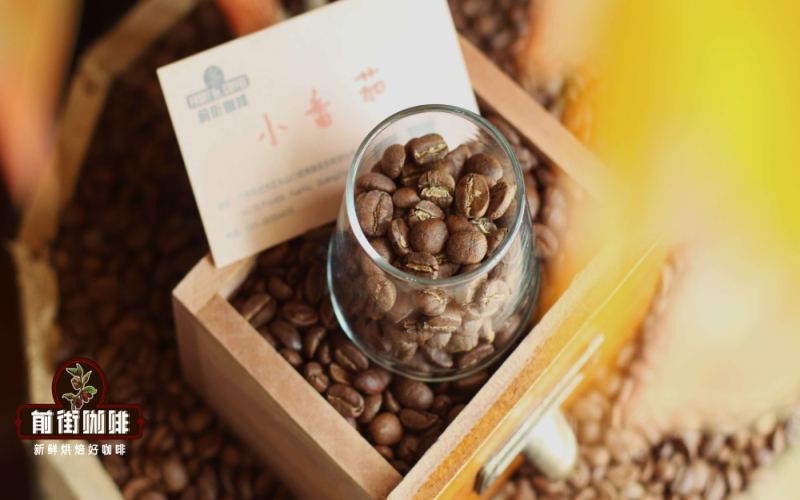
What coffee varieties are good to choose for Kenyan coffee? What roast level is suitable? Is lightly roasted Kenyan coffee really sour?
Kenyan coffee is renowned for its bright fruit acidity and soaring berry notes, which are inseparable from its unique varietal genetics and processing methods. This article will trace the origins of two legendary varieties, SL-28 and SL-34, analyze how Kenya's signature double fermentation washed method (K72) shapes a clean yet intense acidity, and discuss the suitable roast levels and brewing methods for Kenyan coffee. The article will also introduce the flavor performance of Asali Processing Factory beans at Front Street Coffee stores, as well as the specific parameters for Front Street Kenya Small Tomato coffee beans in iced pour-over, ice drip, cold brew, and other methods, helping coffee enthusiasts better understand and enjoy Kenyan coffee. [more…]
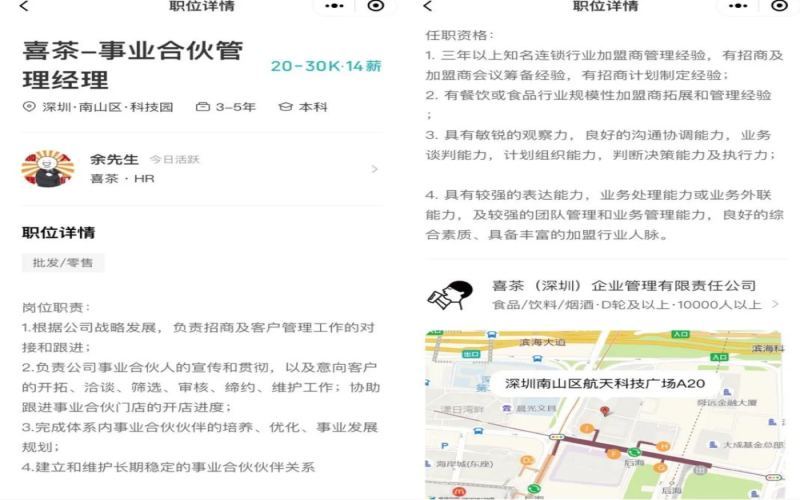
Heytea officially opens business partner franchising: investment within 500,000 yuan, focusing on small stores of about 50 square meters—can it leverage this to break through into lower-tier markets?
Following the closure of the last store of its sub-brand Xixiaocha, Heytea confirmed on November 3 that it will open franchising, with partnership fees kept under 500,000 yuan and franchise store formats primarily under 50 square meters. Heytea stated it will leverage a decade of accumulated experience and resources to develop its partnership business in non-first-tier cities with suitable store formats, providing partners with comprehensive support in branding, products, quality control, food safety, operations, training, and supply chain. In recent years, Heytea has accelerated its expansion into lower-tier markets, successively adjusting prices, launching IP collaborations, and shutting down its budget sub-brand. Opening franchising is now seen as a key step to further capture market share in third- and fourth-tier cities. Whether the new tea beverage sector will face a new round of involution, and whether direct-operated brand Nayuki will follow suit, remains worth watching. [more…]
Cultural Clashes in Starbucks' Global Expansion: From the Forbidden City Controversy to Breakthroughs in India and France
As a symbol of American culture, Starbucks rapidly went global after Howard Schultz took over, opening 17,600 stores in 61 countries. However, when Starbucks entered countries with deep cultural traditions such as China, India, and France, it frequently encountered cultural resistance and controversy. From being forced to withdraw from its Forbidden City store, to the long wait in the Indian market, to the French people's steadfast defense of traditional cafés, Starbucks, while exporting American coffee culture, has also had to face the stubborn resistance of local cultures. This article will walk you through Starbucks' path of cultural conflict and integration around the world, and explore the balance between business expansion and cultural respect. [more…]
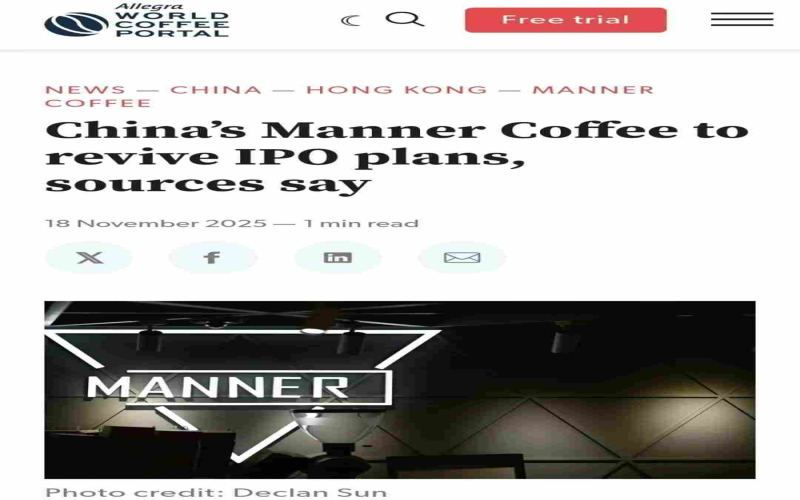
Manner Coffee rumored to file for Hong Kong IPO as early as next year: valuation may reach $3 billion, official response says no comment
Recently, multiple media outlets including Bloomberg reported that the coffee chain brand Manner Coffee is preparing for a Hong Kong listing, potentially debuting on the Hong Kong Stock Exchange as early as next year with a valuation expected to reach US$3 billion. Manner responded to this by saying it had "no comment," a shift from its previous stance of outright denial. Looking back at Manner's development, it started in 2015 as a 2-square-meter small shop in Shanghai, rising rapidly through a strategy of making specialty coffee affordable and a community store model, and successively attracted backing from Capital Today, Meituan Dragonball, ByteDance, Temasek, and other capital investors. As of November, Manner had 2,234 stores nationwide, ranking sixth in scale, and among the top six brands it, like Starbucks China, operates under a direct-operated model. Amid successive moves by competitors, Manner's listing rumors have drawn widespread attention. (Recommended by Front Street Coffee) [more…]

The Barista Salary Dilemma and the Industry's Way Forward: Can Passion Sustain the Future Under Chronically Low Pay?
Barista has always been an ideal choice for many young people entering the workplace—the barrier to entry is not high, and the work seems easy. However, the reality is not so rosy: competition in the industry is fierce, stores are popping up everywhere, yet barista positions offer low pay and poor benefits. Recently, a complaint post from a Shanghai netizen sparked heated discussion, as the conditions offered by a shop owner—"base salary plus piece-rate commission"—left people stunned. Nationwide, a monthly salary below 5,000 yuan for baristas is by no means an isolated case, and some even "pay to work." Faced with such an industry norm, how can baristas find a way out? Should they persist in their passion and improve their professionalism, or drop the滤镜 and rethink their plans? This article will take you through an in-depth discussion. [more…]
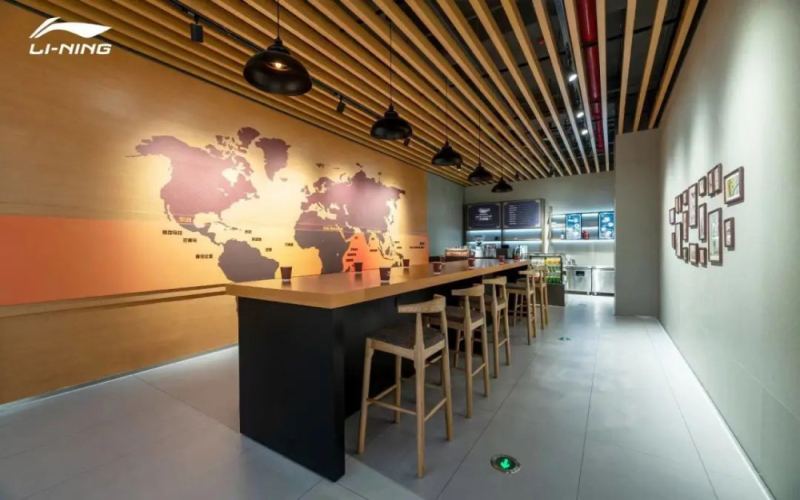
Behind the coffee crossover craze: Why are big brands rushing in, and how far can following the trend go?
In recent years, major brands across all industries have been venturing into the coffee sector—from the post office, Li-Ning, and Xtep to Naobaijin and Huawei, cross-industry coffee sales have become a trend. These brands don't truly intend to dig deep into the coffee track; rather, they are eyeing the youthful traffic and fashionable attributes that coffee naturally carries, using it to get closer to consumers. However, once the hype fades, can cross-industry players lacking a coffee gene continue to attract customers? The fierce competition in the coffee market and the mismatch of consumption scenarios make such attempts full of uncertainty. This article sorts out typical cases of cross-industry coffee, analyzes the marketing logic behind them, and explores the challenges and hidden concerns this model faces. [more…]

Which Matters More: Coffee Beans or Equipment? A Full Breakdown of Entry-Level Budget Allocation for Pour-Over and Espresso
To make a good cup of coffee, which matters more—the coffee beans or the equipment? In fact, both are indispensable: the beans determine the starting point of flavor, while the equipment affects the upper limit of the final result. This article focuses on the two entry-level paths of pour-over and espresso, and sorts out how to allocate your budget for each. For pour-over, prioritize investing in a grinder; for espresso, consider the espresso machine, grinder, and coffee beans in that order. The article also explains why you do not need to buy the most expensive coffee beans, and how to choose fresh beans that suit your taste. Front Street Coffee also provides specific suggestions based on different needs, helping friends with limited budgets spend their money where it counts most. [more…]
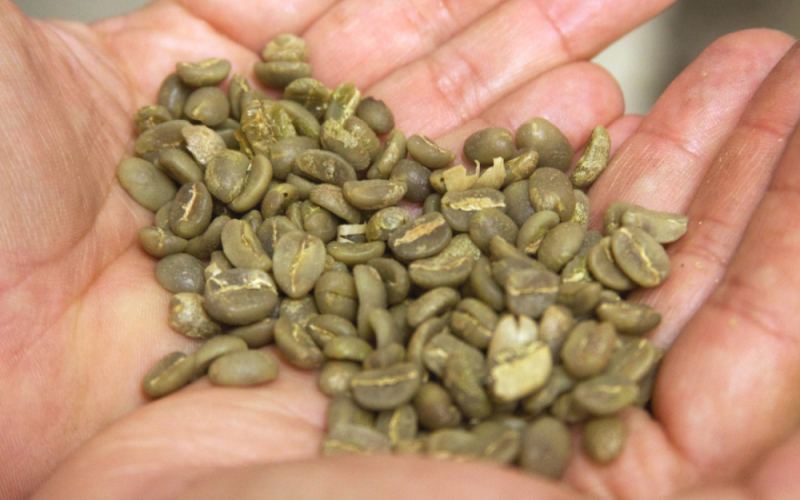
Analysis of the Origins of Typica and Bourbon Varieties: A Flavor Comparison of Blue Mountain Typica and Geisha Coffee
As one of the oldest native varieties in the Arabica family, Typica has elegant flavors but a delicate constitution, giving rise to numerous variants, with Bourbon and Geisha being representative examples. This article starts with four coffees from Front Street Coffee shops to trace the genetic relationships between Typica, Bourbon, and Geisha, explain in detail the flavor characteristics and brewing parameters of Jamaican Blue Mountain Typica, and introduce the origins and performance of varieties such as Maragogype, Geisha, and Yellow Bourbon, helping coffee enthusiasts understand how varietal differences affect the flavor in the cup. [more…]
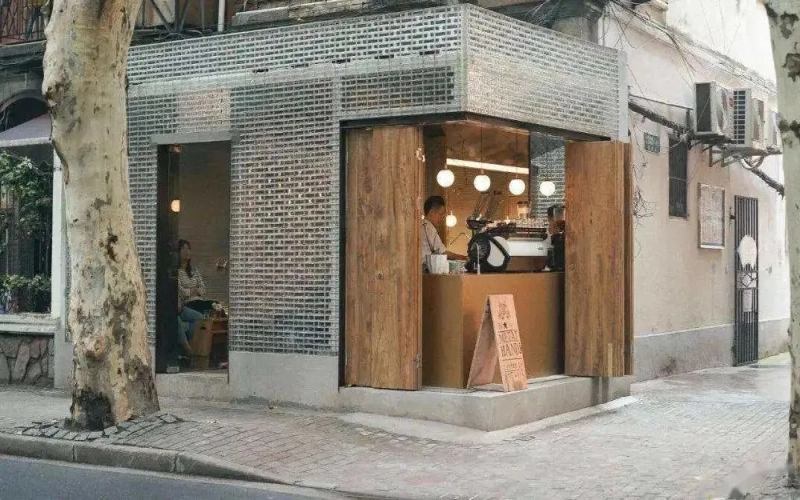
Why does the number of coffee shops in Shanghai keep rising? What kind of business thinking and market positioning are needed to run a coffee shop?
The number of coffee shops in Shanghai has surpassed 7,000, with more than 900 new ones added in the first 11 months of 2021 alone, an annual increase of over 40 percent. Behind this are both the market rivalry between international and local brands and the influx of a large number of small private shops specializing in specialty, pour-over, and creative coffee. Yet a boom in openings does not mean business is easy. Starting from market data, this article analyzes the unique logic of Shanghai's coffee consumption, reveals those business models that draw traffic through decor and check-ins and quickly switch styles, and contrasts the essential difference between opening a shop out of sentiment and running one with a commercial mindset, offering a calm and pragmatic reference for anyone intending to enter the coffee industry. [more…]